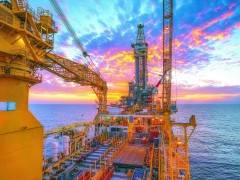


据今日油价9月9日报道,自2010年以来,北达科他州的石油业蓬勃发展,使麦肯齐成为美国发展最快的县。在一年半的疫情之后,该州的石油业正在复苏,并有可能在未来十年扩大其能源产量。甚至在新冠疫情爆发,导致全球石油业陷入混乱之前,麦肯齐的油价就曾飙升至每桶130美元,之后又跌至每桶不到40美元。2010年至2014年期间,该地区的原油产量增长了1800%,得益于新的水力压裂技术,从而使上世纪50年代发现的油田终于可以得到开发,这使得工人纷纷涌入该地区,当地人口在十年间翻了一番。
经过10年的增长,政府估计地下仍有数百亿桶储量等待开采。沃特福德曾经是个无名小镇,如今却在那些希望从该州蓬勃发展的石油工业中赚大钱的年轻家庭中名声大噪,颇受欢迎。在麦肯齐的能源部门带动下,学校和住房等基础设施也得到了发展。
北达科他州近年来经历了重大的发展,这主要得益于该州西部石油工业的发展。除了基本的地方基础设施,该州还建设了酒店、餐馆和一个新机场,该州120亿美元的收入直接来自石油。该州的石油业还支持约35000名工人就业和超过65000个间接工作岗位。
作为美国第二大产油州,北达科他州通过其达科塔管道(Dakota Access Pipeline),每天向美国市场输送120万桶石油。
尽管经济增长迅速,石油储量巨大,但北达科他州并没有在2020年的疫情中毫发无损。据估计,去年,该州最大的产油县约有1万人失去了工作,石油产区的失业率从2019年的1.8%飙升至去年年底的7.9%。
在新冠肺炎疫情最严重时,联邦政府针对能源行业提供了刺激措施,数千万美元的资金支持了就业岗位,鼓励工人重返工作岗位。但由于需求下降,在石油生产中不再需要工人,他们开始封堵废弃的油井,并进行新油井的勘探。这使得政府能够留住许多年轻、积极的石油工人,使石油行业在限制放松和疫苗水平提高的情况下恢复元气。
最近几个月,油价一直在逐渐上涨,今年年初达到每桶60美元以上,该地区的石油生产商被鼓励加快运营步伐。几家公司在2021年前两个季度保持了石油产量水平,并继续钻探新油井,以确保产量保持稳定,并可能根据需求增加产量。
目前,北达科他州的石油产量稳定,平均产量为110万桶/日。5月和6月日产量为100万桶。尽管该州的石油产量尚未达到疫情前的150万桶/天峰值,但随着需求和价格持续上涨,如果拜登决定支持美国石油,该州能源市场的复苏为未开发储量留下了巨大的潜力。
该州的天然气产量基本保持稳定,6月份的产量为29亿立方英尺/日。然而,如果对天然气的需求继续增长,随着美国努力减少天然气燃除,在未来几年内,新的管道和加工设施的建设可能会带来新的就业机会。
该州矿产资源主管林恩·赫尔姆斯解释道,“我不得不将巴肯地区描述为一个沉睡的巨人。新冠肺炎疫情在某种程度上让这个行业陷入了沉睡,现在它正在挣扎着醒来。”
今年8月,美国ADM公司和马拉松石油公司(Marathon Petroleum)成立了一家合资企业,将北达科他州大豆油用于可再生柴油生产。美国参议员凯文·克莱默(Kevin Cramer)在谈到这一举措时表示,“今天的声明对北达科他州的大豆生产商和迪金森的炼油厂员工来说是好消息。ADM和马拉松公司的伙伴关系突出了农业和能源生产商的创造力,同时为工人提供了更多的投资和就业机会。我赞赏这种合作,并期待着为这个项目提供力所能及的帮助。”
这表明,在未来几年,该州的一些关键经济部门可能会在创新能源项目的开发中合作,并继续开发该地区强大的石油储量。
随着北达科他州的石油工业继续运转,大部分未开发的储量以及该州能源工业向可再生能源扩张的潜力给该地区的石油和天然气未来带来了希望。
王佳晶 摘译自 今日油价
原文如下:
Is North Dakota’s Oil Industry Finally Bouncing Back?
Since 2010, North Dakota’s oil industry has boomed, putting McKenzie align="justify"> After a decade of growth, the government estimates that tens of billions of barrels could still be sitting in the ground waiting to be tapped. A align="justify"> North Dakota has experienced significant development in recent years, largely due to the advancement of the oil industry in the west of the state. As well as basic local level infrastructure, the state has also seen the construction of hotels, restaurants, and a new airport, with state revenues of $12 billion coming directly from oil. The state’s oil industry also supports around 35,000 direct workers and over 65,000 indirect jobs.
As the second-largest oil-producing state in the U.S., North Dakota shifts 1.2 million barrels of oil per day to the U.S. market through North and South Dakota, Iowa and Illinois, in its Dakota Access Pipeline.
Despite this rapid growth and huge oil reserves, North Dakota did not come out of the 2020 pandemic unscathed. Estimates suggest that around 10,000 people lost their jobs in the state’s biggest oil-producing counties last year, with unemployment across oil districts soaring to 7.9 percent by the end of the year from 1.8 percent in 2019.
The federal stimulus provided at the height of Covid-19, aimed at the energy sector, encouraged workers back to the fields as tens of millions of dollars supported jobs. Workers that were no longer needed in oil production, due to the drop in demand, started plugging abandoned wells and carrying out exploration for new wells. This allowed the state to keep many of its young, motivated oil workers long enough for the industry to bounce back as restrictions eased and vaccine levels increased.
Oil prices have been rising gradually in recent months, reaching over $60 a barrel earlier in the year, oil producers across the region were encouraged to pick up the pace of operations. Several firms maintained their oil production levels in the first two quarters of 2021 and continued work align="justify"> North Dakota’s oil production appears stable at present, with an average output of 1.1. million bpd in May and June. While it has not yet reached its pre-pandemic production peak of 1.5 bpd, renewed interest in the state’s energy leaves huge potential for untapped reserves should Biden decide to support U.S. oil, as demand and prices continue to rise.
The state’s natural gas production is much the same, with output standing at 2.9 billion cubic feet of gas per day in June. However, if demand for gas continues to grow, new jobs could be seen over the next couple of years for the construction of new pipelines and processing facilities as the U.S. strives to reduce its gas flaring.
State Mineral Resources Director Lynn Helms explains, “I would have to characterize the Bakken at this point as a sleeping giant. The COVID pandemic kind of put the industry to sleep, and it’s struggling somewhat to wake up.”
Recent hope for the state’s energy sector came in August when ADM and Marathon Petroleum formed a joint venture to use North Dakota soybean oil in renewable diesel production.
“Today’s announcement is welcome news for North Dakota’s soybean producers and refinery employees in Dickinson. The ADM and Marathon partnership highlights the ingenuity of our agriculture and energy producers while providing more investment and jobs for workers. I applaud this collaboration and look forward to assisting in this venture however possible.” stated U.S. Senator Kevin Cramer of the move.
This shows how some of the state’s key economic sectors could be working together in the development of innovative energy projects over the coming years, as well as continuing to exploit the region’s strong oil reserves.
As North Dakota keeps its oil industry ticking over, largely untapped reserves and the potential to expand the state’s energy industry into renewables give hope for the future of oil and gas in this region.