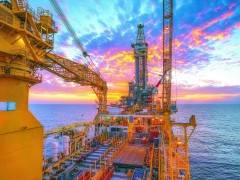


据彭博新闻社2021年7月29日报道,通过大幅提高对股东的回报,欧洲最大的石油和天然气公司显示出了对高利润时代的回归充满信心。
7月29日,荷兰皇家壳牌公司出人意料地将股息上调近40%,并开始回购20亿美元的股票。法国道达尔能源公司没能应付那么高的震撼力,但承诺将把40%的盈余现金用于股票回购。
这标志着欧洲石油行业的重大转变。尽管对气候变化的担忧日益加剧,但该行业正试图说服投资者坚持下去。 直到最近,在冠状病毒疫情大流行导致的石油价格暴跌之后,上述两家公司都专注于偿还债务和加强资产负债表。
发生变化的是大宗商品价格的全面上涨,天然气、金属和其他大宗原材料的价格与原油价格的飙升不相上下,甚至超过了后者。 不仅壳牌公司和道达尔能源公司向股东返还了资金,从里约热内卢的廷托公共有限公司到英美资源集团,几乎所有的自然资源集团都在提高股息或回购股票。
壳牌公司首席执行官范伯登在电话会议上表示:“我们希望向市场传递我们有现金流的信心。 在石油市场,供应将受到限制,而需求实际上相当强劲。”
壳牌公司和道达尔能源公司均报告称,第二季度经调整后的净收入和现金流大幅飙升,使这些数据恢复到疫情前的水平。 这在很大程度上是分析师们的预期,但股东回报的大幅改善让他们感到意外。
Redburn分析师Stuart Joyner在一份报告中称:“我们知道壳牌公司今天将提高分配规模,但增幅明显高于预期。”
壳牌公司还需要迎头赶上。 去年,在新冠疫情封锁期间,壳牌公司将股息削减了三分之二。 自那时以来,股息的小幅增加几乎没有提高该公司的吸引力,尽管油价全面回升,但该公司目前的市值仍比疫情前水平低三分之一以上。
道达尔能源公司在新冠肺炎疫情危机爆发时债务较少,并在整个经济低迷期间保持了股息支付,该公司在投资者中表现较好。 摩根大通的一份报告显示,如果布伦特原油价格保持在每桶近74美元的水平,道达尔能源公司的股票回购规模将达到每年约18亿美元。
其他欧洲石油巨头也在采取类似的做法。 英国石油公司和挪威Equinor已经增加了股息,并宣布了更温和的股票回购计划。
对石油巨头来说,吸引投资者是最重要的事情。 在全球应对全球变暖的明显危险之际,石油行业正面临越来越大的压力,要求它们放弃化石燃料,转而使用清洁能源。 大多数欧洲石油巨头都制定了到本世纪中叶实现净零排放的宏大计划,但仍存在一些问题,比如成本将是多少,可再生能源的利润能否与石油和天然气相媲美。
桑坦德银行分析师詹尼·肯尼说,这些疑虑拖累了石油行业的估值,总体上仍比2019年底的水平低22%。 一段时期的强劲利润和现金流将使这些公司更容易向清洁能源转型,同时留住投资者。
肯尼说:“应对气候危机需要大量投资,才能真正转向低碳和无碳能源。”“但在今年下半年,而且肯定会在2022年之前,综合能源公司可能会拿出巨额现金。 目前的财务框架看起来可信且有吸引力。”
李峻 编译自 彭博新闻社
原文如下:
Big Oil Shows Confidence That Big Profits Era Is Back
Europe’s largest oil and gas companies showed confidence that the era of big profits is back by significantly boosting returns to shareholders.
Royal Dutch Shell Plc surprised investors align="justify"> This marks a major turnaround for the industry, which is trying to persuade investors to stick with it despite mounting concerns about climate change. Until recently, both companies were focused align="justify"> What’s changed is a broad rally in commodity prices, in which the surge in crude has been matched or exceeded by natural gas, metals and other bulk raw materials. It’s not just Shell and Total returning money to shareholders, almost every natural resources group from Rio Tinto Plc to Anglo American Plc is either raising dividends or buying back shares.
“We wanted to signal to the market the confidence that we have in cash flows,” Shell Chief Executive Officer Ben van Beurden said align="justify"> TotalEnergies, which entered the Covid-19 crisis with less debt and maintained its payout throughout the downturn, has fared better with investors. Its buyback could amount to about $1.8 billion a year, if Brent crude remains near $74 a barrel, according to a note from JPMorgan Chase & Co.
Other European oil majors are taking a similar approach. BP Plc and Equinor ASA have already made incremental dividend increases and announced more modest buyback plans.
Wooing investors has seldom been more important for Big Oil. The industry is under increasing pressure to turn away from fossil fuels and embrace clean energy as the world grapples with the evident dangers of a warming planet. Most of the European majors have laid out broad plans to achieve net-zero emissions by the middle of the century, but there are questions about how much it will cost and whether profits from renewable energy can match oil and gas.
Shell and TotalEnergies both reported big surges in adjusted net income and cash flow for the second quarter, taking the figures back to pre-pandemic levels. That had been largely expected by analysts, but the big improvement in shareholder returns caught them by surprise.
”We knew Shell was set to raise distributions today, but the scale of the increase is significantly above expectations,” Redburn analyst Stuart Joyner said in a note.
Shell has some catching up to do. Last year, it cut its dividend by two-thirds during the depths of the Covid-19 lockdowns. Modest increases to the payout since then did little to boost the company’s appeal, with its market value today still more than a third below pre-pandemic levels despite a full recovery in oil prices.
These doubts have weighed align="justify"> “The climate crisis requires significant investment to truly shift to low and no carbon energy,” Kenney said. “But there is a huge wall of cash on the horizon from integrated energy companies in the second half of 2021 and certainly by 2022. And financial frames look credible and attractive at current levels.”