

据4月25日今日油价报道,21世纪初,莫斯科开始不断加大采矿业的发展,这也大幅增加了国家收入。
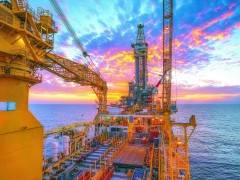
从俄罗斯丰富的地下资源中找寻原材料,其中的石油资源是最重要的,为该国的现代化提供了不可或缺的资源。值得一提的是,一份政府战略文件显示,当前的石油产量很可能无法达到大流行前的水平,因此,该国必须保持石油业稳定的出口和收入。
2019年,俄罗斯石油业产量达到1130万桶/天,约5.6亿吨,创下历史记录。但由于新冠肺炎疫情的爆发,产量大幅下降。尽管如此,俄罗斯实行的自由浮动汇率制度帮助缓冲了石油销量下降带来的负面影响——石油通常以美元进行交易。
在疫情爆发之前,俄罗斯政府三分之一的收入来自能源出口。如果把矿产等其他行业的税收收入也算在内,这个数字将增加到40%。因此,为了在21世纪保持能源超级大国的地位,俄罗斯在能源产业上投入了大量资源。
根据政府战略文件,到2030年,俄罗斯的石油产量将增长至每天1110万桶,较2019年减少20万桶。到2035年,这一数字将逐渐下降至940万桶/天。不过,如果石油价格水平较高,市场需求火爆,则有可能出现的情况是,到2030年,石油产量将增加到1280万桶/天。
俄罗斯石油工业历史悠久,这意味着开采比较容易,因而生产成本低廉的油田常常会枯竭。自从在高加索地区发现第一块油田以来,俄罗斯的石油行业一直在向更北更远、更深的西伯利亚地区拓展,去发现新资源。目前大多数未开发的油田位于北极地区,因为这里气候恶劣,开发成本相对较高。不过,根据美国地质调查局(U.S. Geological Survey)的数据显示,该地区可能蕴藏的石油储量,将达到全球尚未发现的石油储量的16%。
俄罗斯对其北极地区的开发寄予厚望。在寻求全球能源主导地位的过程中,为了降低成本,吸引合适的投资者来到北方地区,政府给予企业大量的免税政策。例如,能源巨头俄罗斯石油公司(Rosneft)宣布了大规模的Vostok项目,该项目将创造13万个就业岗位,并允许开采约50亿吨石油。俄罗斯石油公司计划到2024年生产3000万吨石油,要知道,仅这一个项目,到本世界20年代末期有望生产1亿吨石油。
能源转型和电气化将对俄罗斯能源主导地位产生威胁,因为这些行业可以抵消对化石燃料产品的需求。尽管氢气正在慢慢进入俄罗斯的战略计划,但俄罗斯能源行业的主要投资方向仍是化石燃料。VTB Capital的石油和天然气研究副主管Dmitry Loukashov表示:“尽管国际石油巨头正在努力实现业务转型,以期变得‘清洁’,但俄罗斯人不太可能在可再生能源领域与它们进行竞争。”
但不可否认的是,能源转型对俄罗斯化石燃料行业来说也是一个机遇。壳牌(Shell)和英国石油(BP)等西方国际石油公司正在逐步增加对碳中和技术的投资,并缓慢减少油气支出。这意味着,即使在需求下降的情况下,俄罗斯也能保持其能源超级大国的份额和地位。
据Rystad能源公司称,这场新冠肺炎疫情极大地改变了石油的发展前景。此前,预计需求将在2030年左右达到1.06亿桶/天的峰值。然而,Rystad目前预测,石油需求峰值将在2028年到来,并将稳定在1.02亿桶/天左右,随后,在2050年迅速下降至6200万桶/天。
在可预见的未来,亚洲和非洲等地的需求仍将持续增长。俄罗斯能源公司一直在增加这些地区的业务。虽然不少发达国家可能会专向脱碳行业,但其他国家短期内不会转变能源战略。因此,预计未来一段时间里,俄罗斯将保持其能源主导地位。
王佳晶 摘译自 今日油价
原文如下:
The Biggest Threat To Russia’s Arctic Oil Ambitions
In the early 2000s, Moscow started exerting more influence over its mining sector which increased the state’s income substantially.
The production of raw materials from Russia’s rich soil of which oil is by far the most important has provided the resources for the modernization of the society. Therefore, Moscow must maintain a steady supply of exports and revenue. According to a government strategy document cited by Kommersant, it is likely that the pre-pandemic level of oil production won't be matched.
Russia’s oil industry was able to reach a post-Cold War record in 2019 when the sector produced 11.3 mbpd which is approximately 560 million tonnes. Production has decreased substantially due to the Covid-19 pandemic. Nevertheless, Russia's free-floating exchange rate helped cushion the negative effects of decreased sales because oil deals are usually executed in dollars.
Before the pandemic, a third of the government's revenues came from energy exports. This number increases to 40 percent when tax income from other sectors such as minerals is included. Therefore, significant resources are being spent for Russia to remain an energy superpower well into the 21st century.
According to the strategy document, Russia’s oil production will grow after the pandemic to 11.1 mbpd in 2030 which is short 200,000 barrels of its record of 2019. After which it will gradually decrease to 9.4 mbpd in 2035. In the most likely scenario in which prices and demand are high, production could increase to 12.8 mbpd in 2030.
The longevity of the Russian oil industry’s history means that easy-to-extract and therefore cheap to produce oil fields are usually depleted. Ever since the discovery of the first oil field in the Caucasus, Russia’s oil sector has been moving further north and deeper into Siberia for new resources. Most untapped fields currently are in the Arctic which is relatively expensive to develop due to the harsh climate. Still, the region could contain 16 percent of the world's yet-to-be-discovered oil, according to the U.S. Geological Survey.
Moscow has put high hopes A major threat to Russia’s position is the energy transition and the electrification of societies. This could offset the demand for fossil fuel products. Although hydrogen is slowly creeping into Moscow’s strategy, the bulk of the Russian energy industry’s efforts remains with fossil fuels. According to Dmitry Loukashov, VTB Capital's deputy head of oil and gas research, "While international oil [majors] are falling over themselves in their business transformation potential to become 'clean,' Russians are unlikely to compete with them in this renewables drive."
However, the energy transition is also an opportunity for the Russian fossil fuel industry. Western IOCs such as Shell and BP are gradually increasing their investments in carbon-neutral technologies and slowly decreasing oil and gas expenditure. This means that even in a situation where demand is decreasing, Russia could maintain its share and position as an energy superpower.
According to Rystad Energy, the pandemic has drastically changed the outlook for oil. Previously it was expected that demand would peak around 2030 with 106 mbpd. Rystad, however, now predicts that demand will plateau around 102 mbpd in 2028 and rapidly decrease to 62 mbpd in 2050.
Russian energy companies have been increasing their presence in regions where demand will remain growing for the foreseeable future such as Asia and Africa. Although developed countries will likely decarbonize, the rest of the world won't any time soon. Therefore, expect Russia to at least maintain its position in the near future.